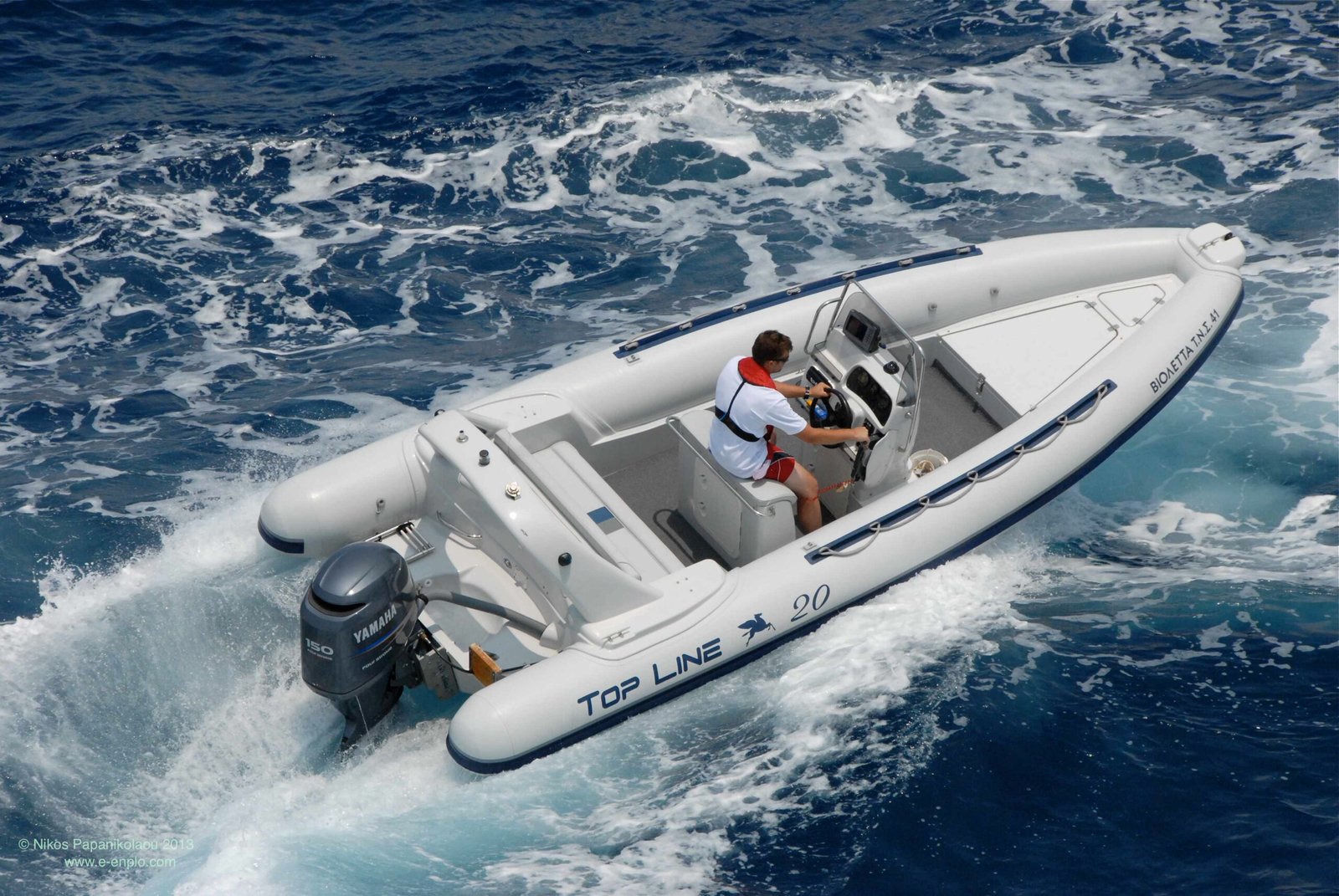
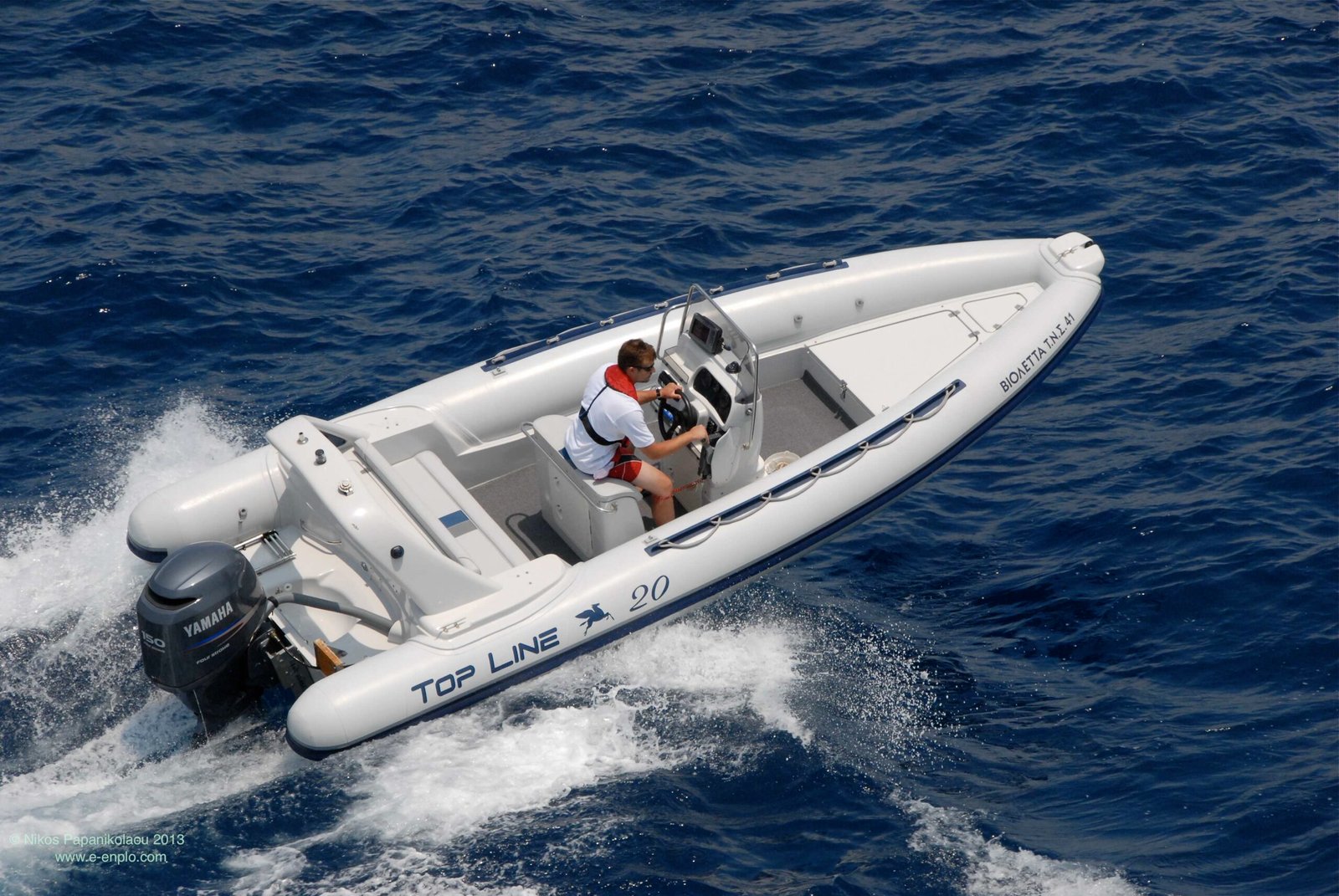
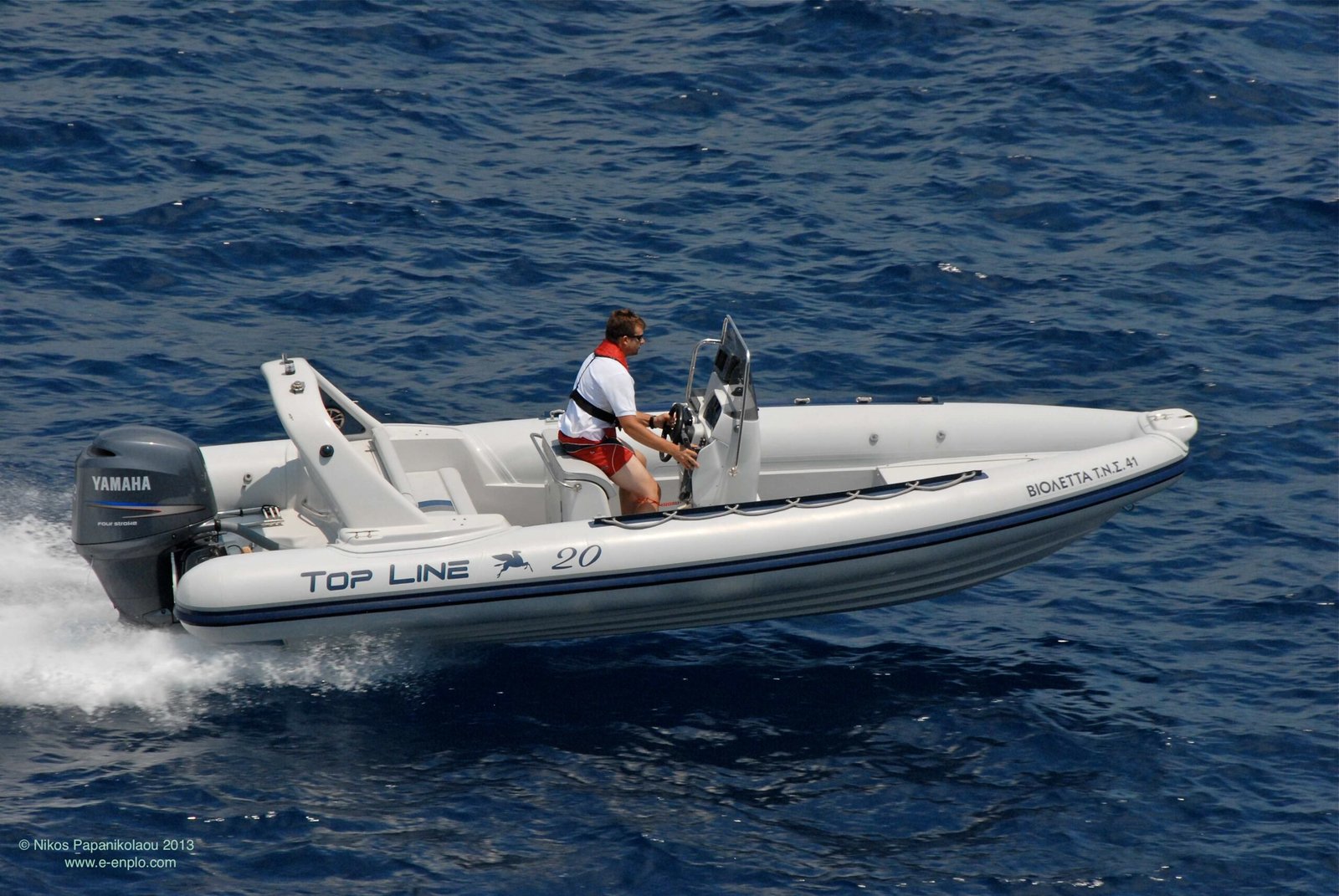
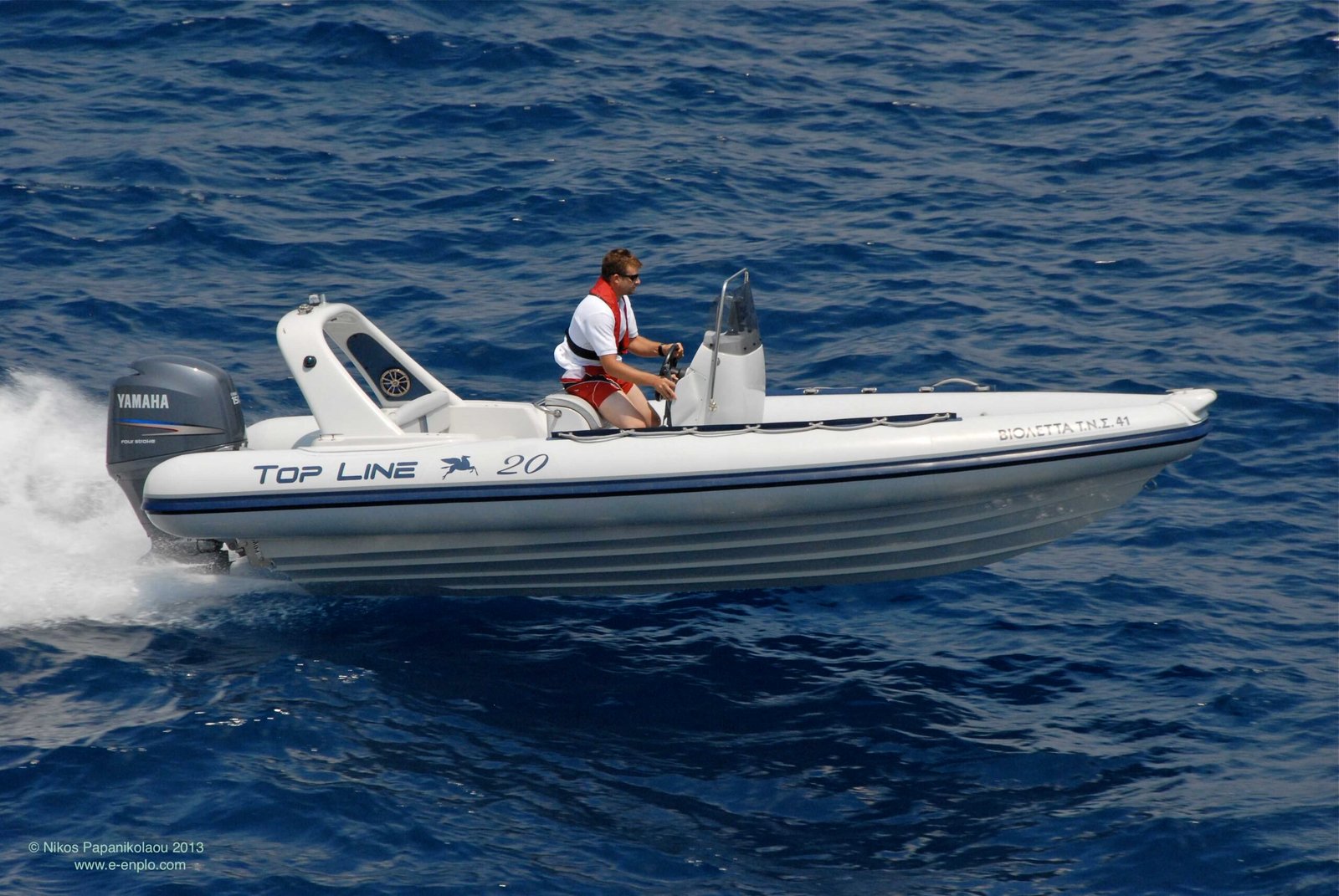
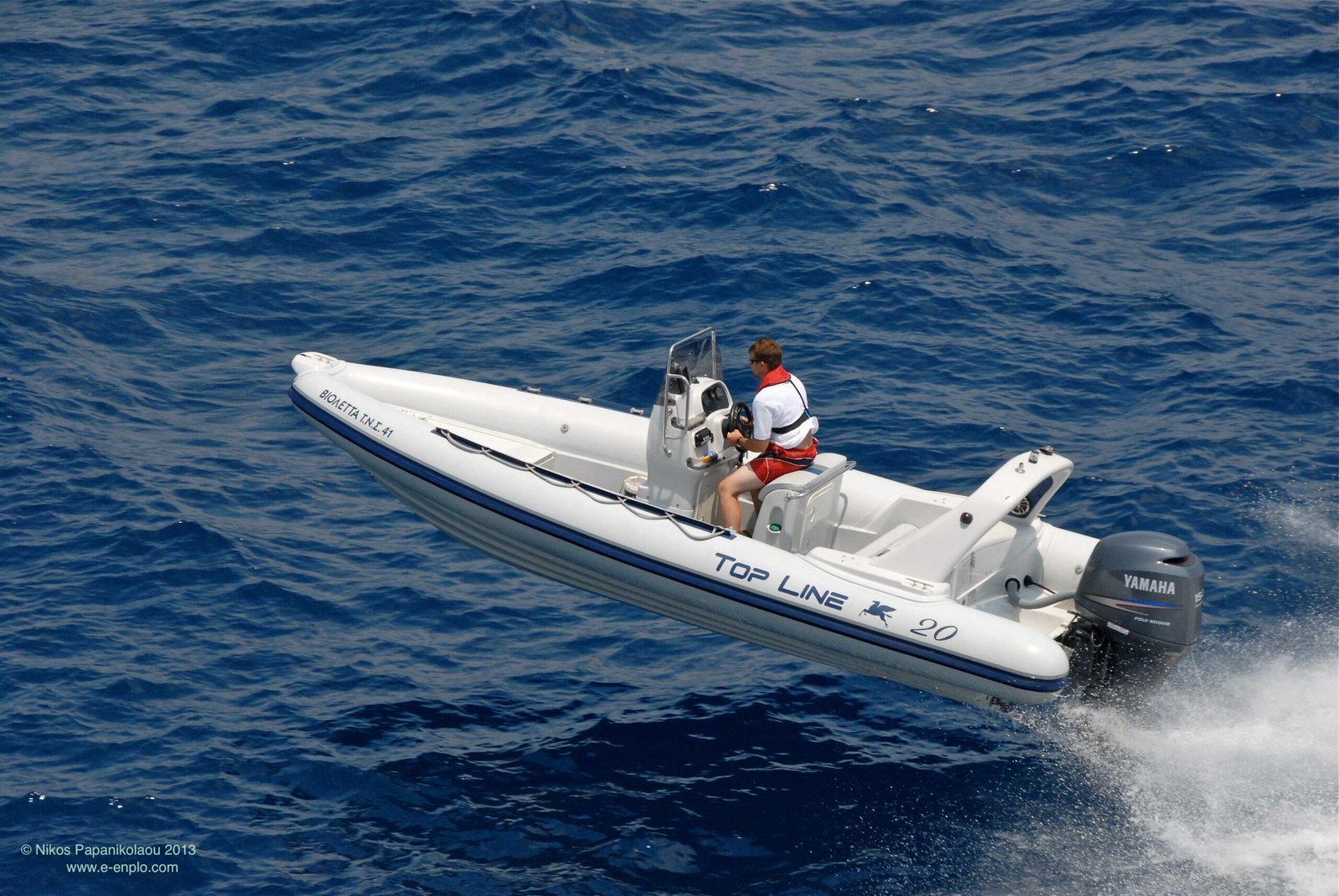
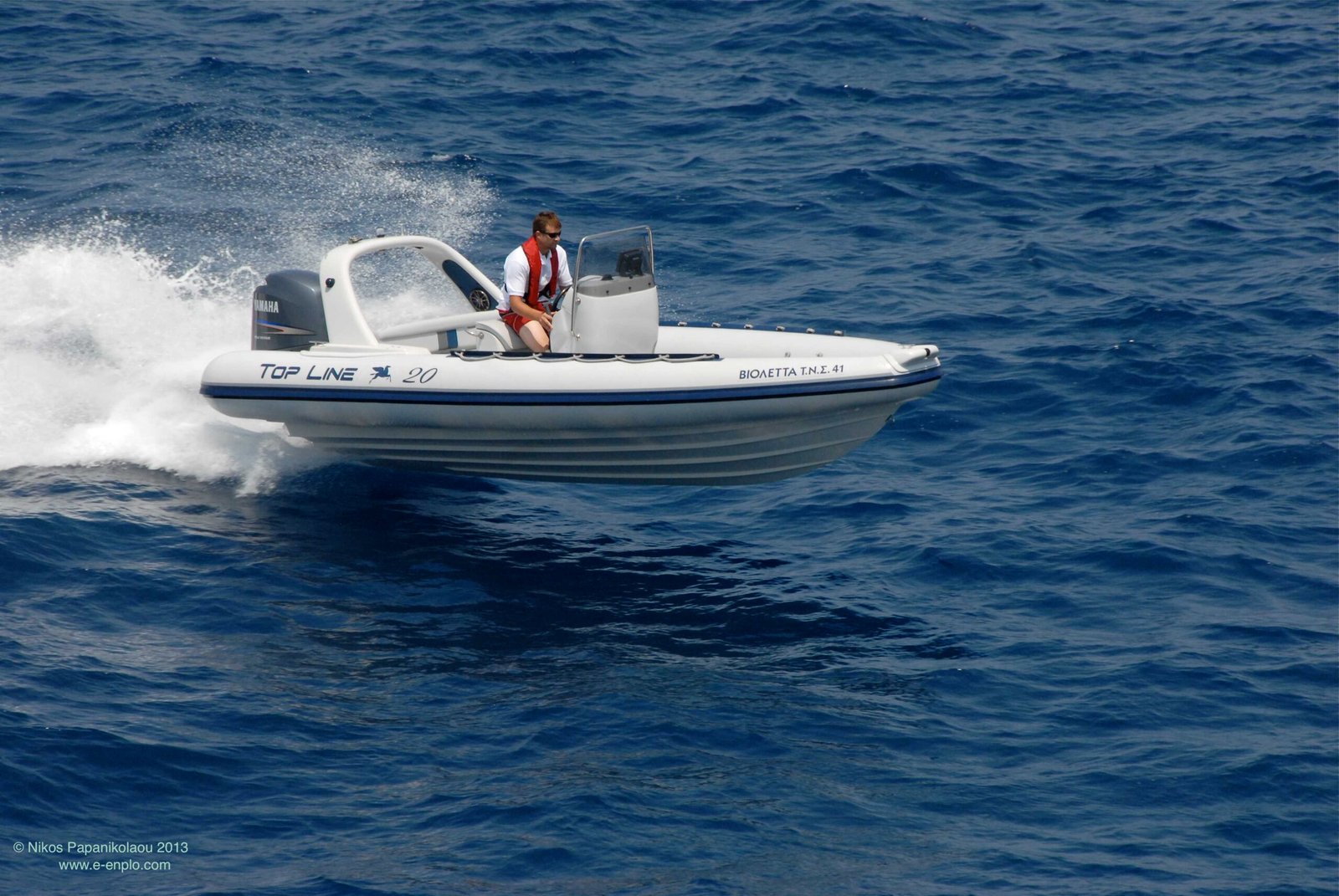
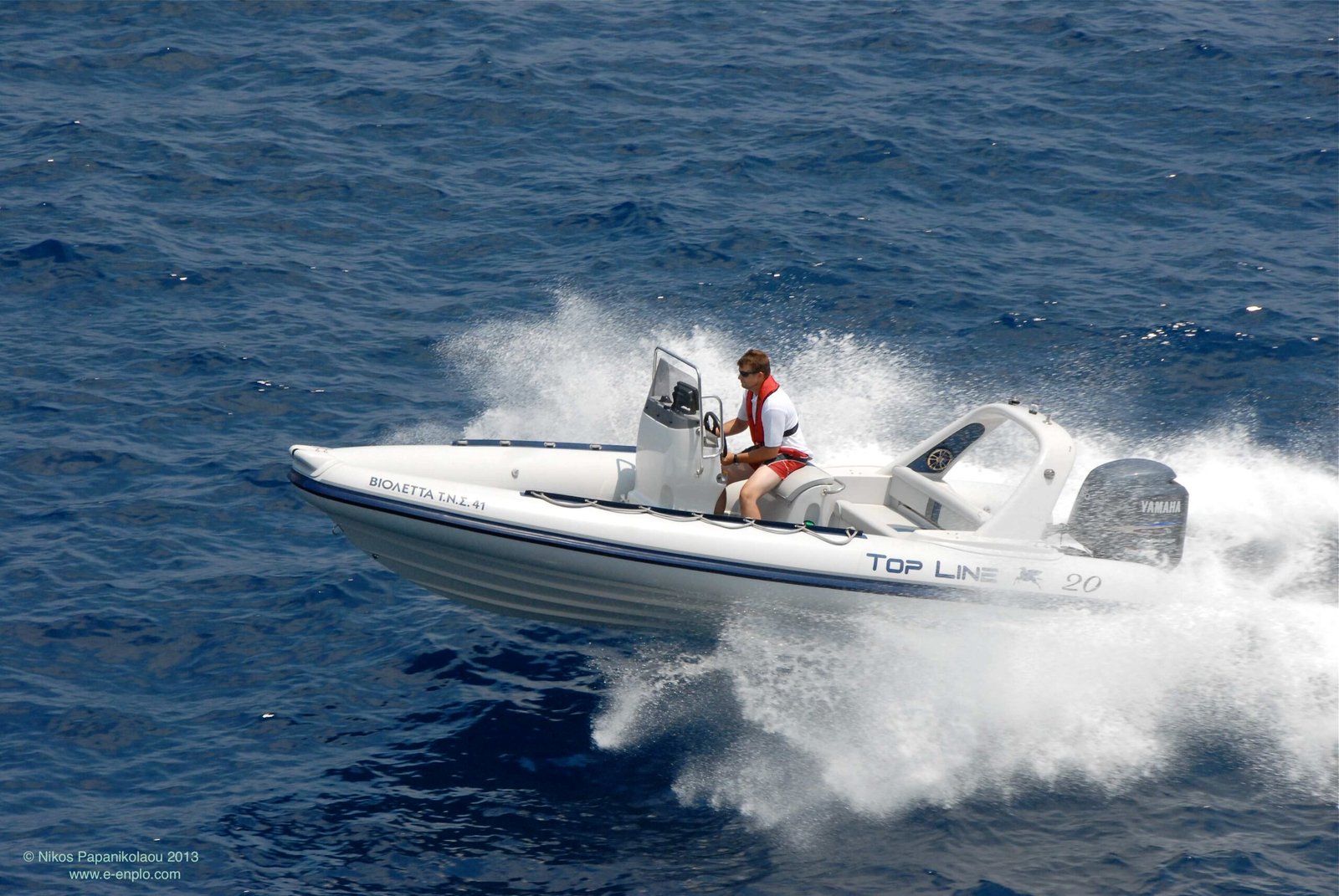
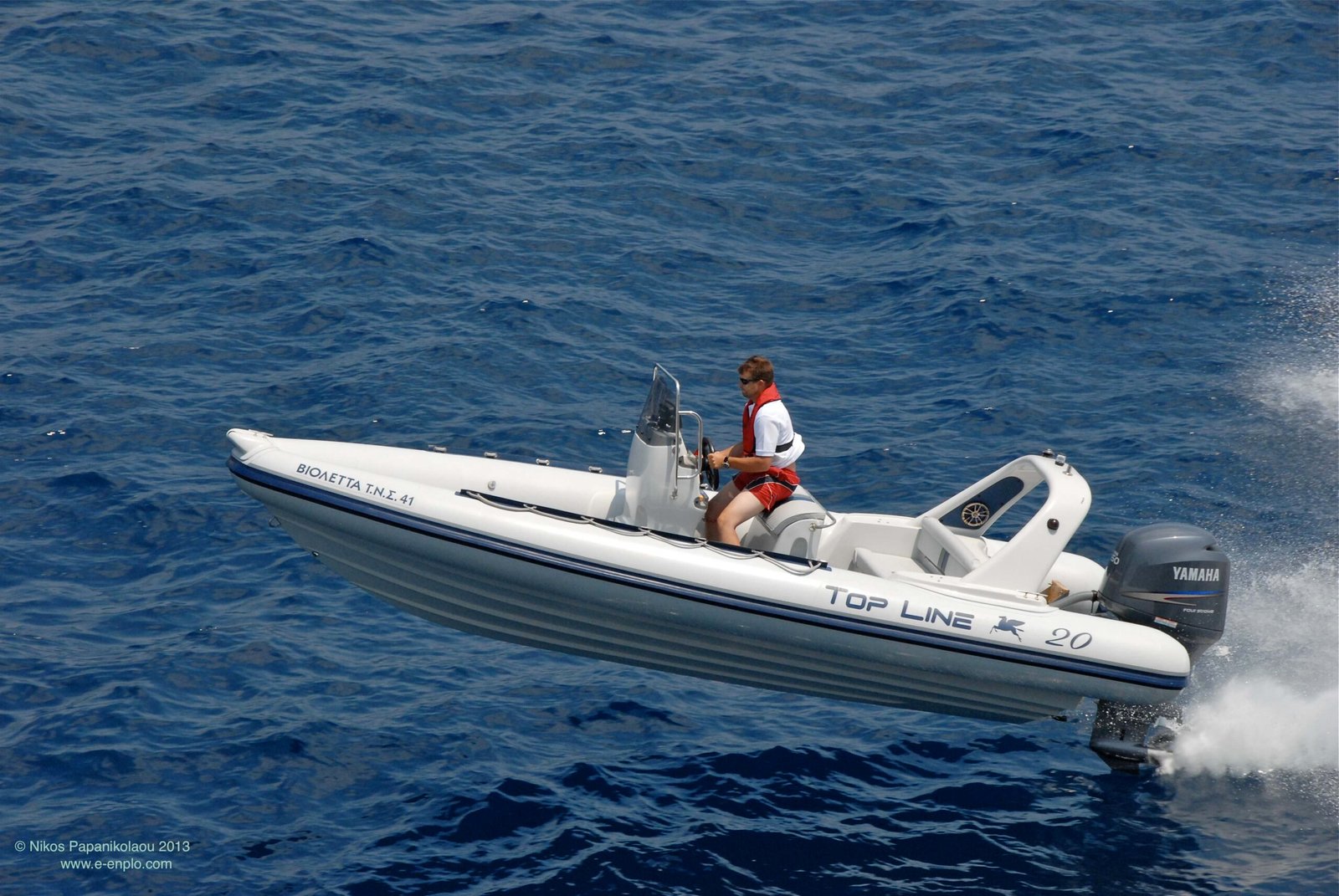
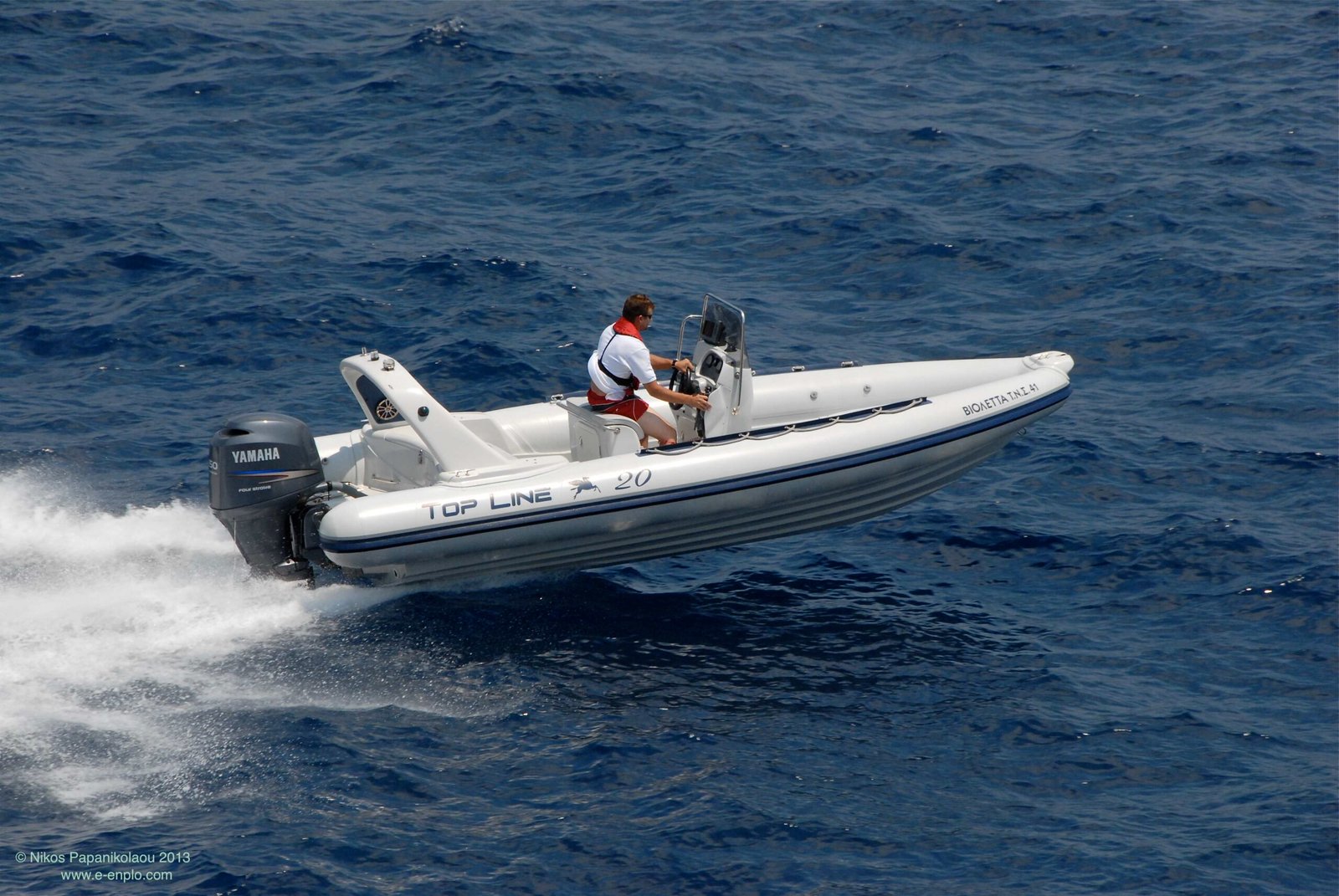
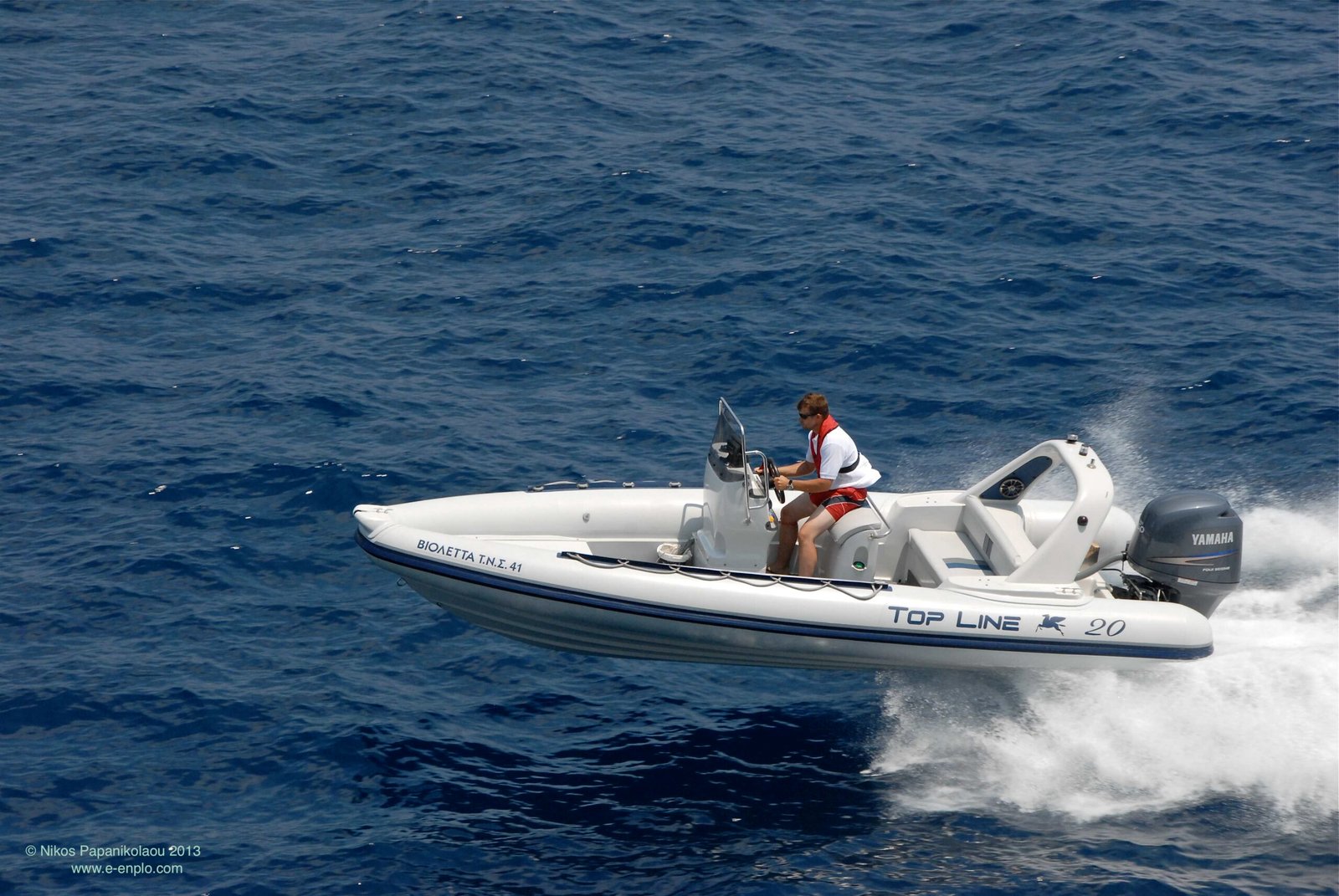
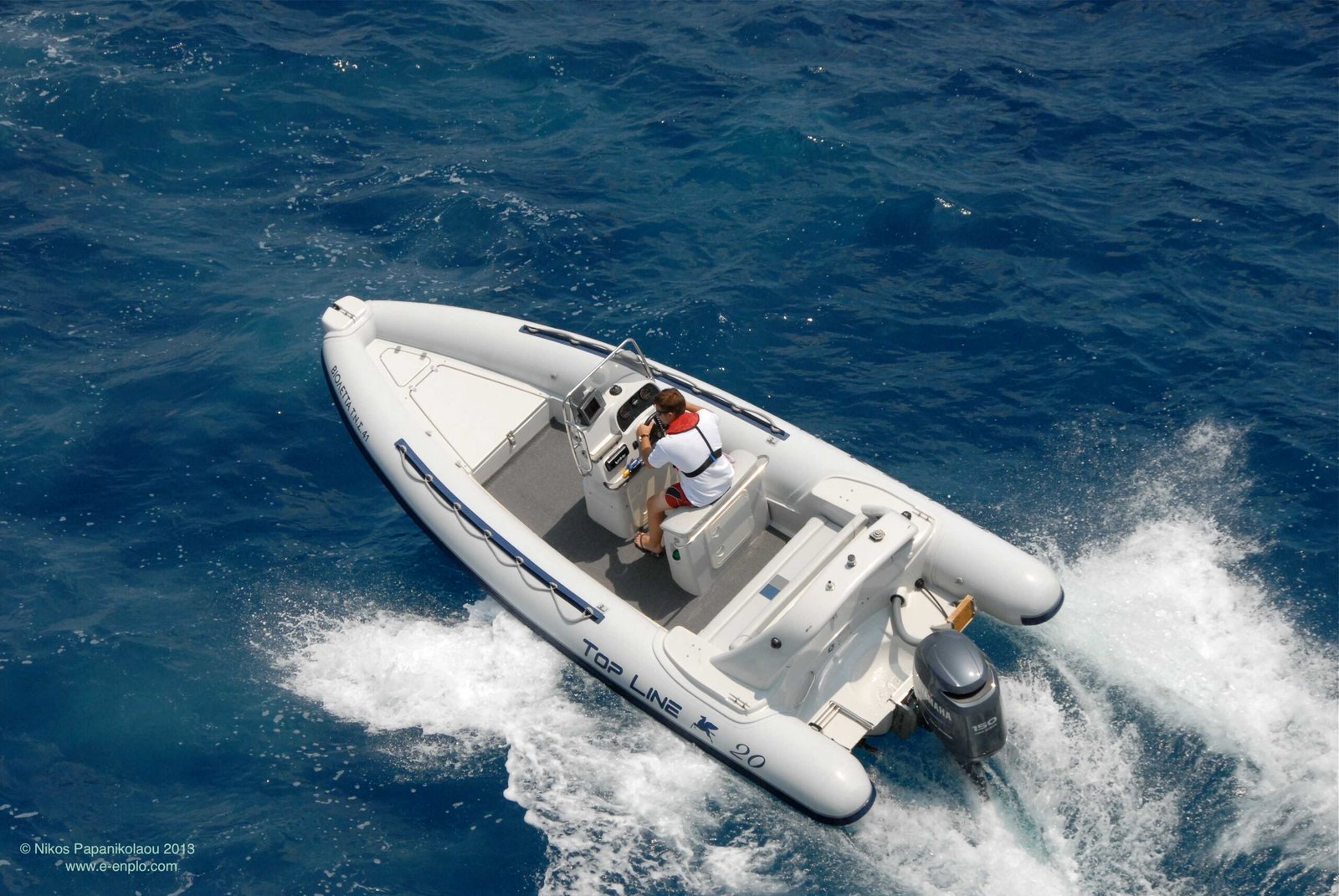
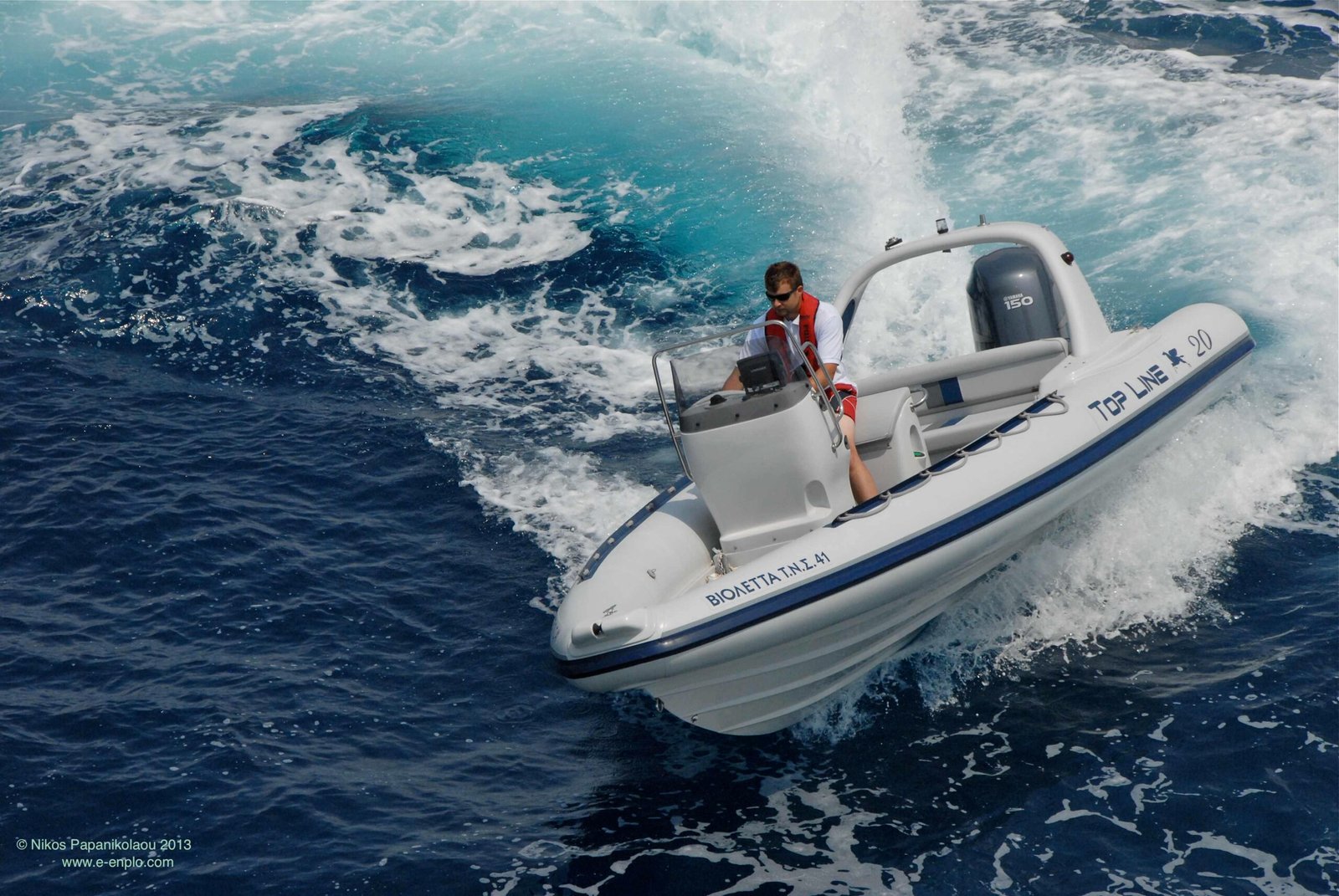
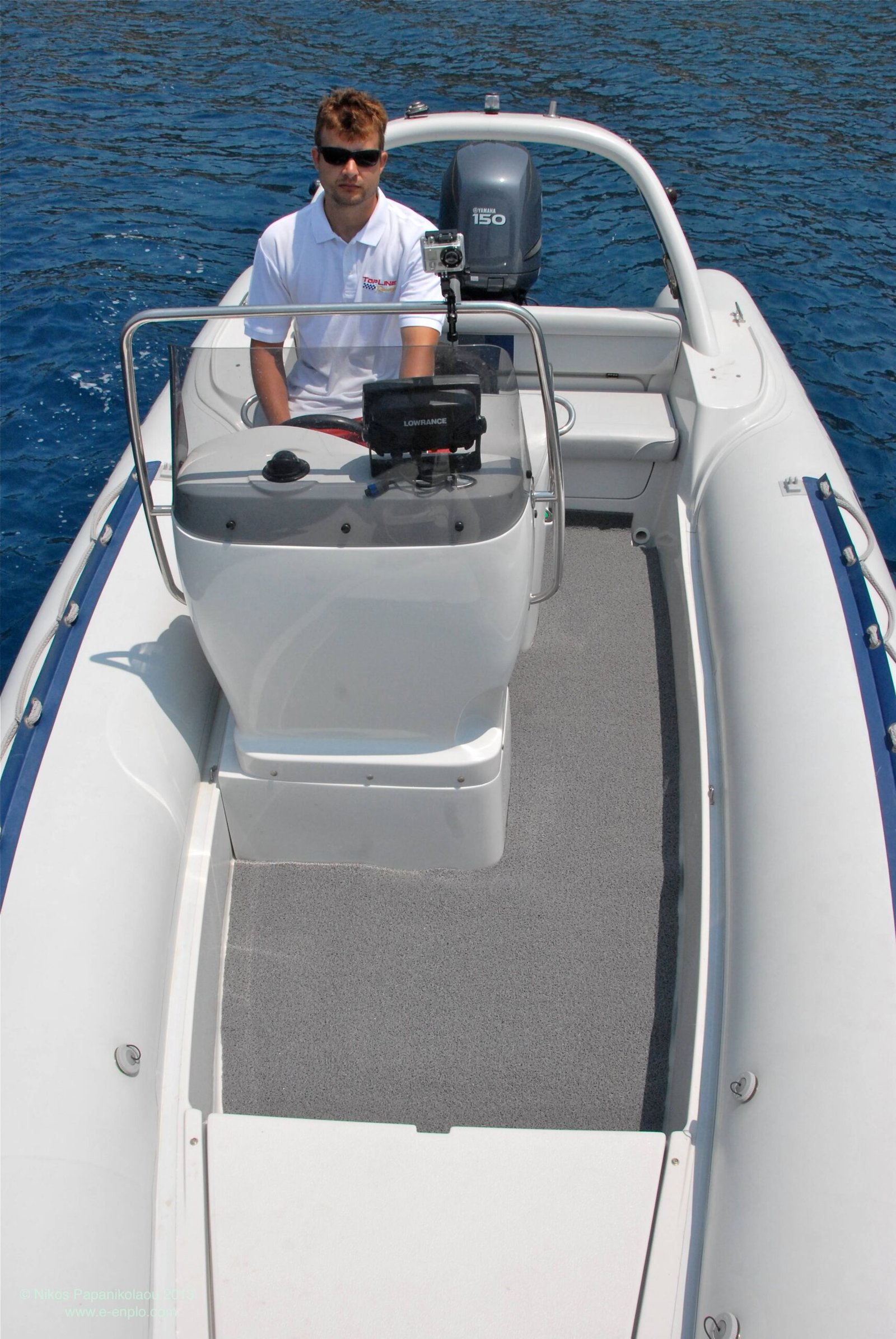
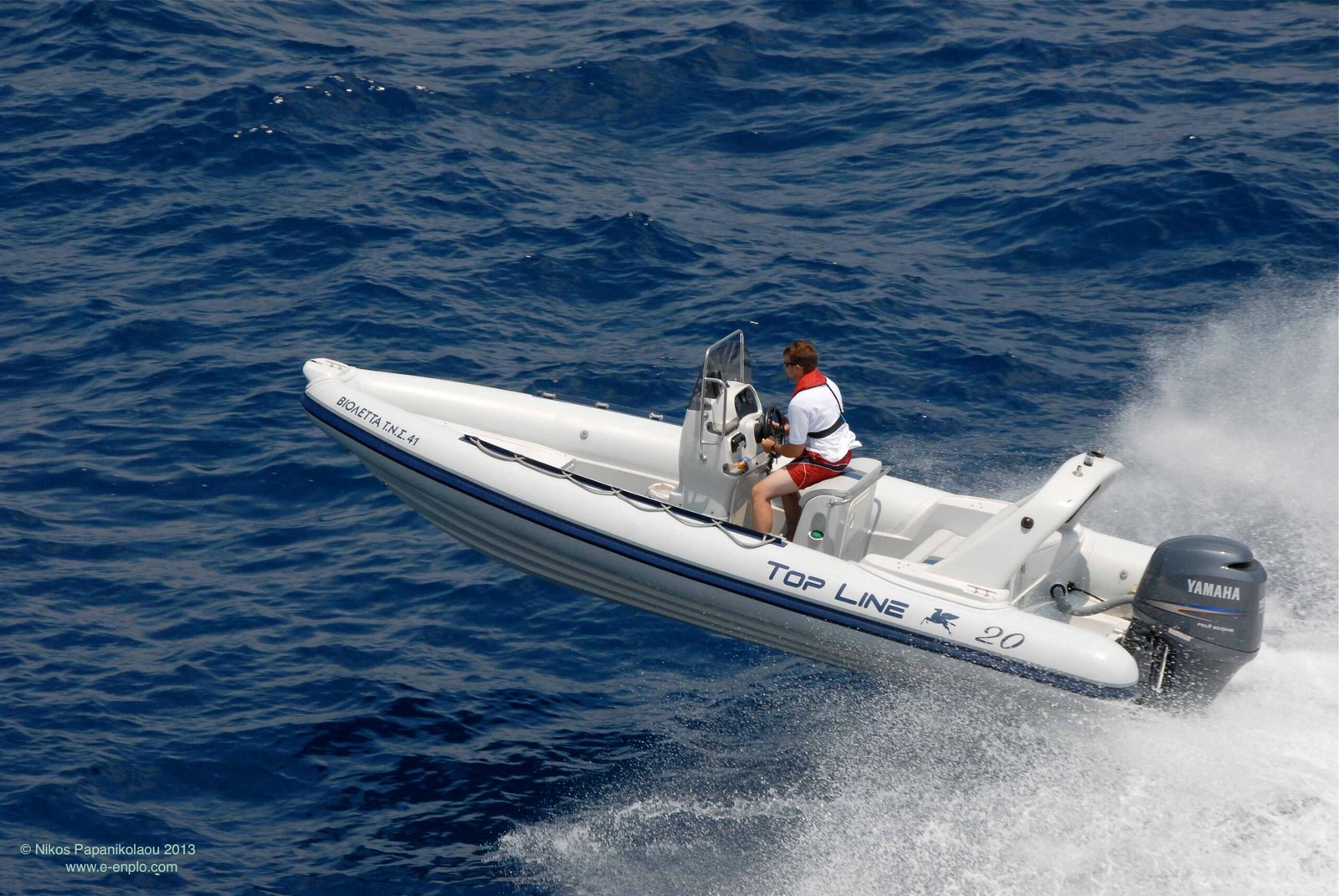
The 6m Pegasus excels in all areas: quality of construction, top speed performance, fuel efficiency, soft ride at rough seas having a comfortable and hospitable deck for the touring offering multiple storage capabilities as well.
Topline Pegasus 20
Contents
1. Introduction
The Topline Pegasus 20 is not a new model that needs any form of campaign to be introduced in the market. On contrary, is a well known and proven Rib with impressive performance and seakeeping attitude. Why then I dedicate this post to this model has to do with the necessity to redefine our wants and needs towards the amazing possibilities that some small medium boats can offer us meaning a lot of fun within the limits of an affordable budget.
2. Description
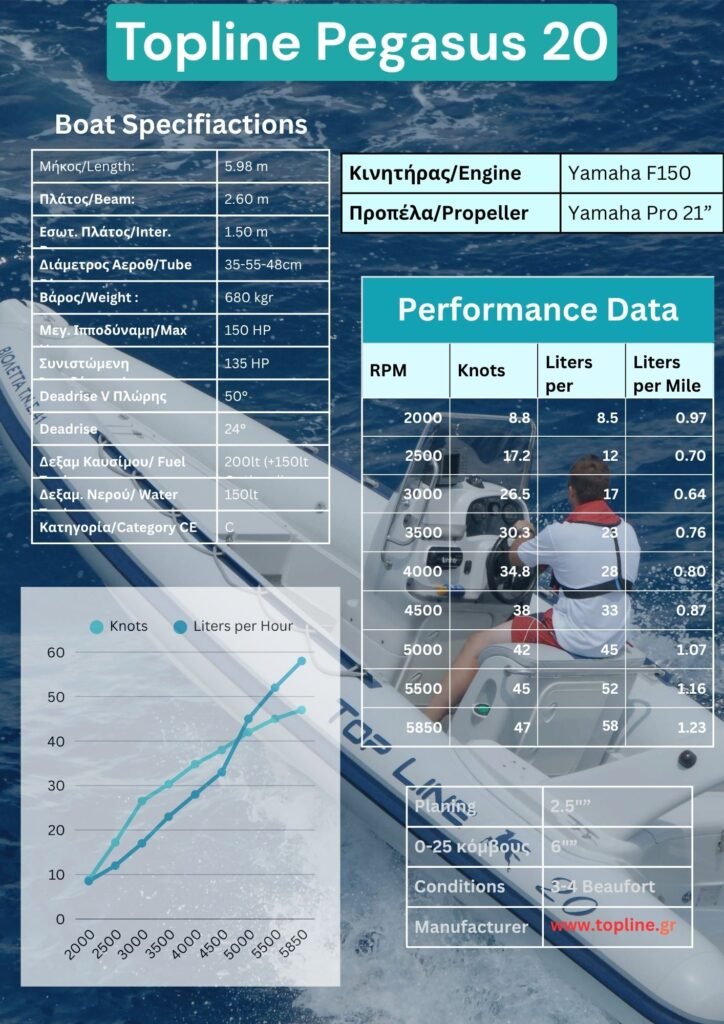
The 6m Pegasus excels in all areas: quality of construction, top speed performance, fuel efficiency, soft ride at rough seas having a comfortable and hospitable deck for the touring offering multiple storage capabilities as well. To begin with, the boat with the Yamaha F150 mounted (with a Pro 21’’ propeller) on her transom consumes just 0.64 lit per n.mile at 3.000 rpm succeeding a speed of 26.5 knots while at 3.500 rpm with the speed of 30.3 knots the consumption is 0.75 lit per n.mile (two persons on board). This is an awesome performance that challenges in economy even the 4m boats.
This is because the boat boasts a deep V hull featuring a steep bow edge (50ο) with a pointy nose and sharp deadrise (24ο) which is primarily designed for racing but is able to perform very efficiently in the rough sea offering a very good level of damping. Two big and wide longitudinal stringers support the hull structure all along giving it more rigidity when facing hard conditions in the sea or at high speeds.
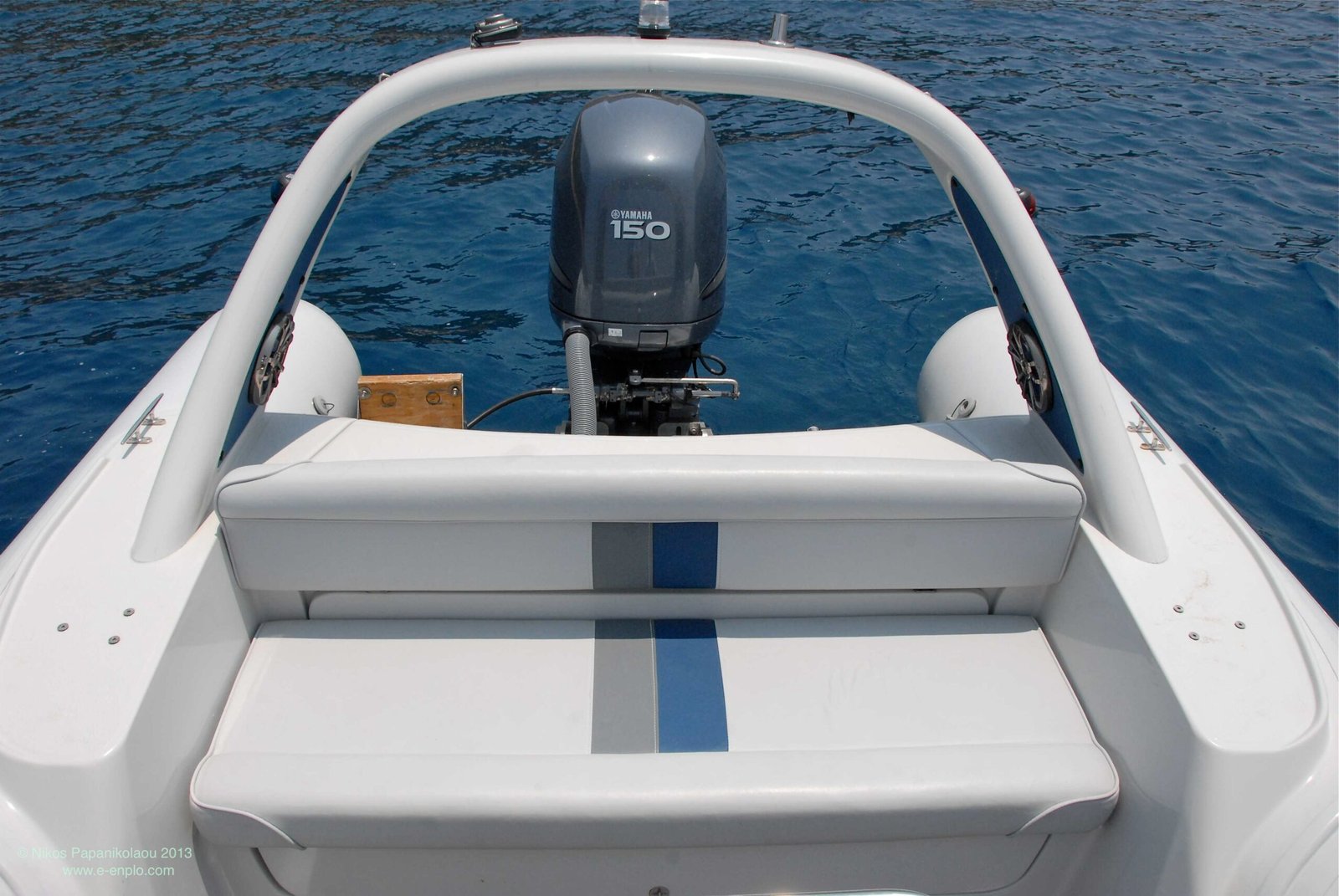
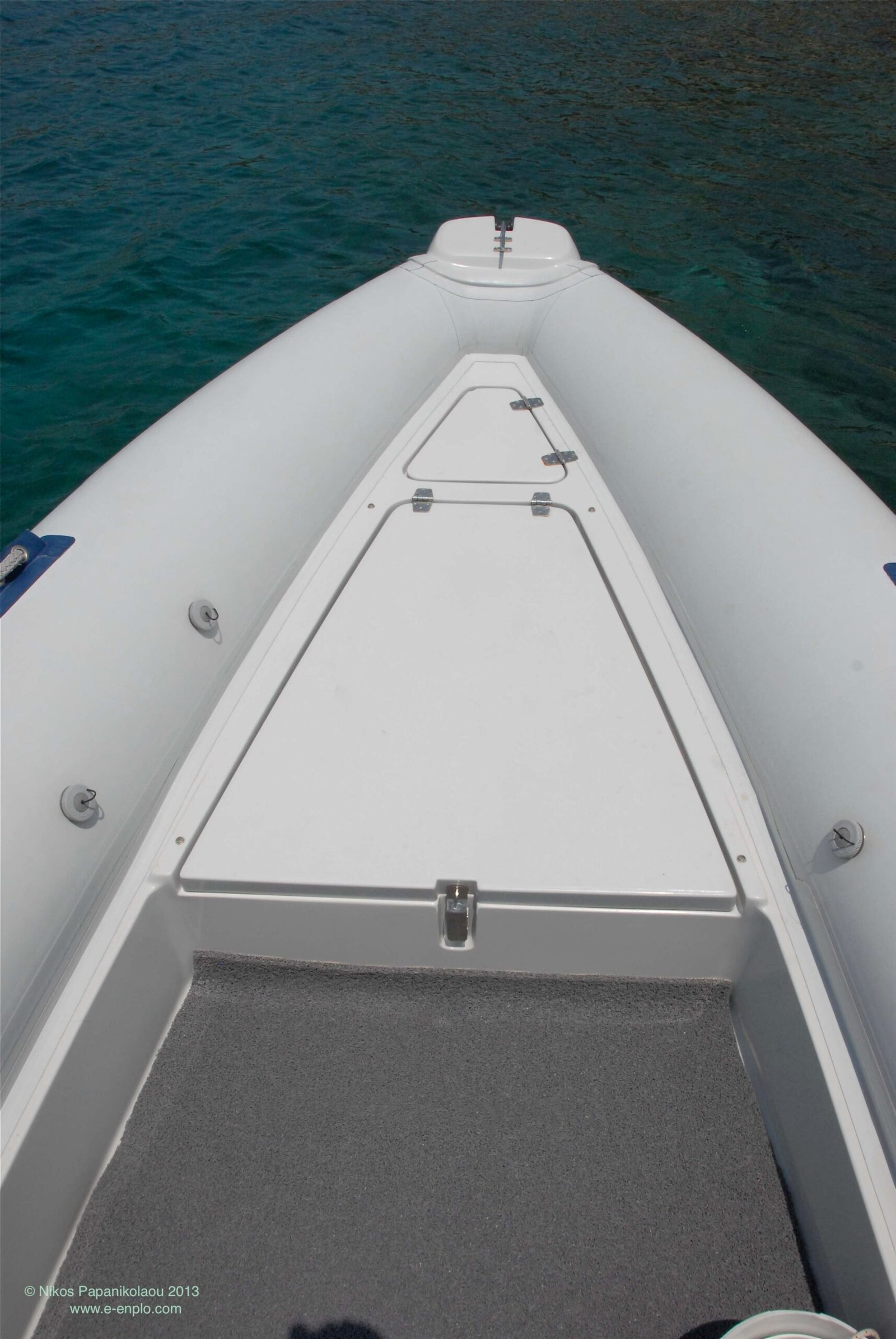
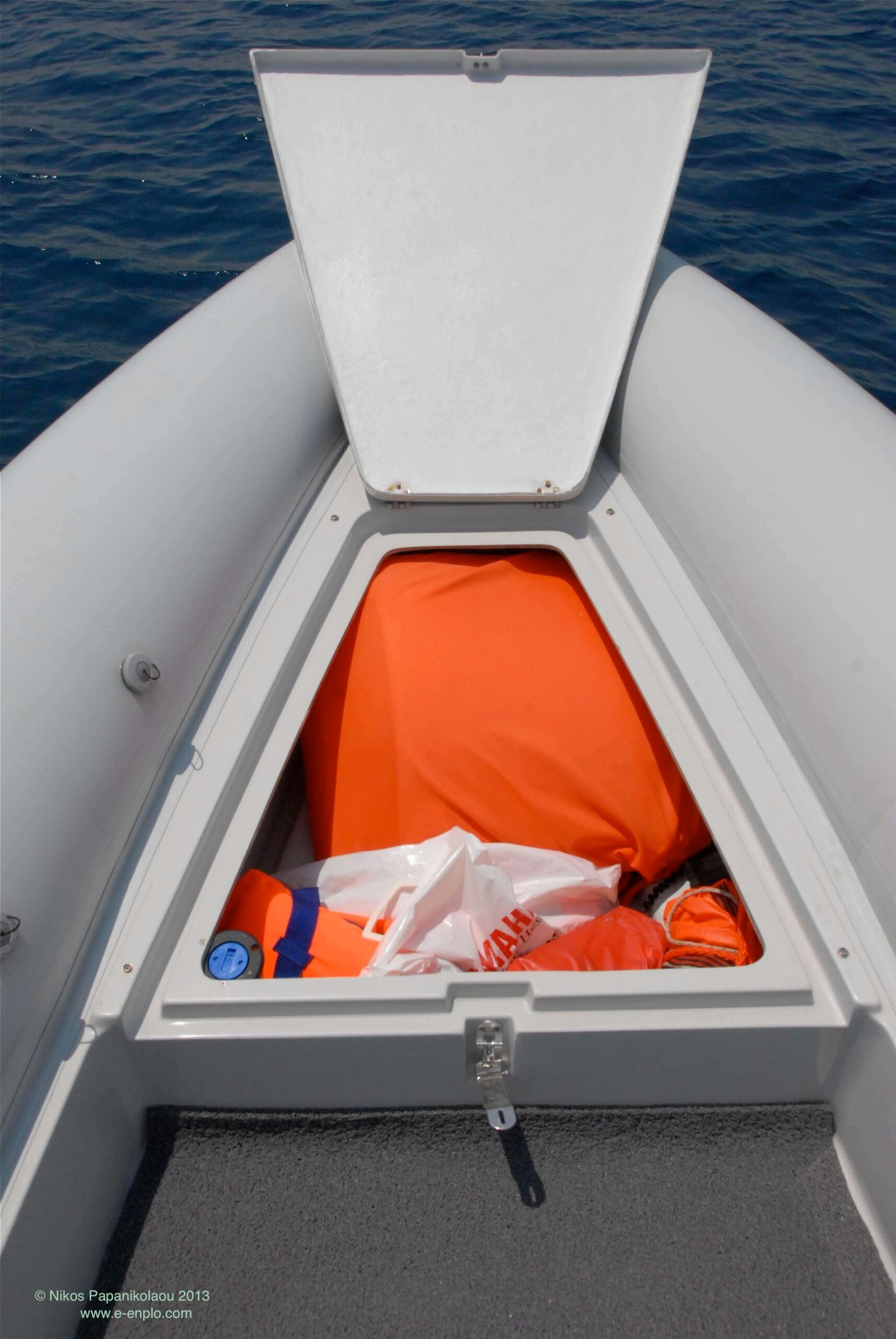
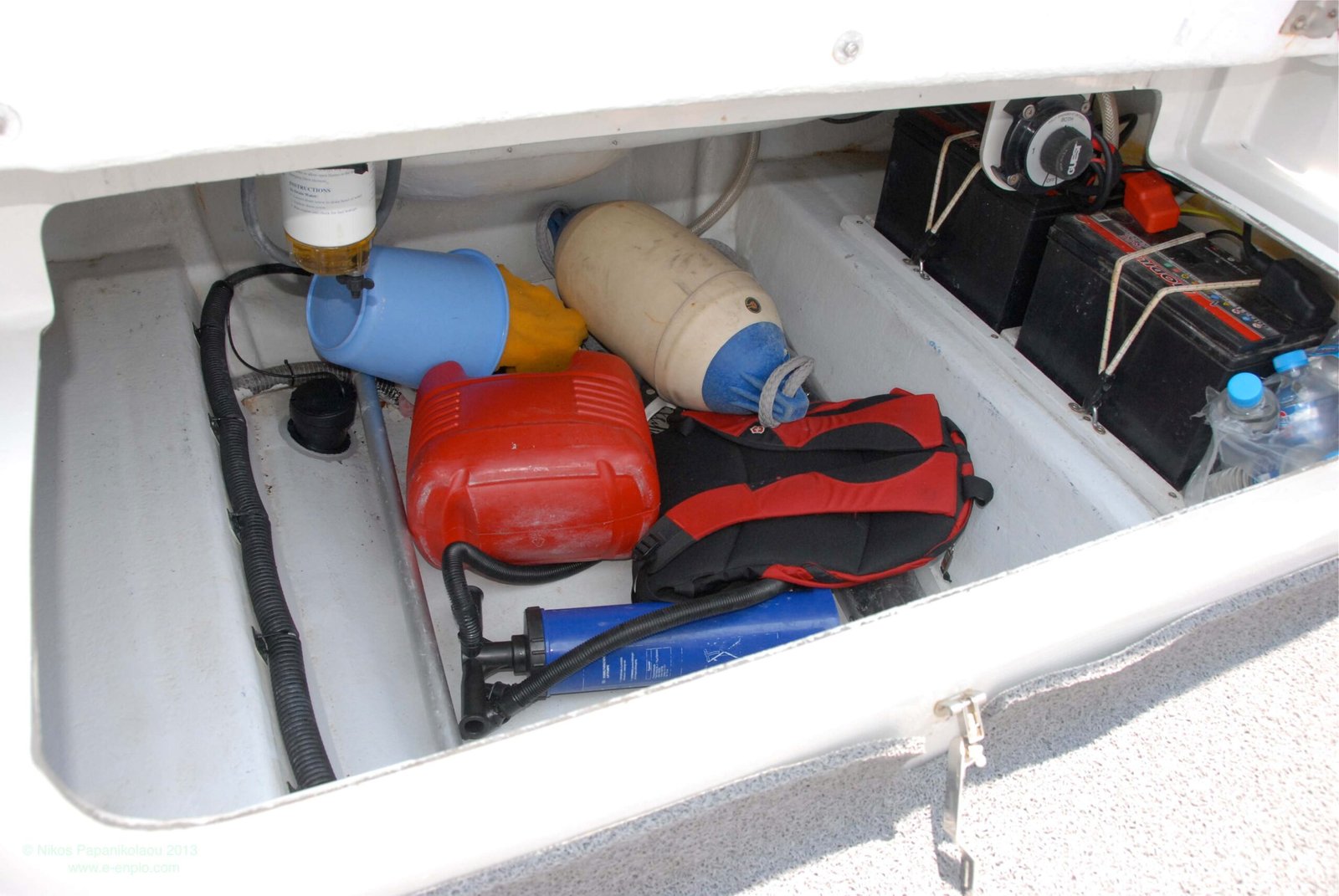
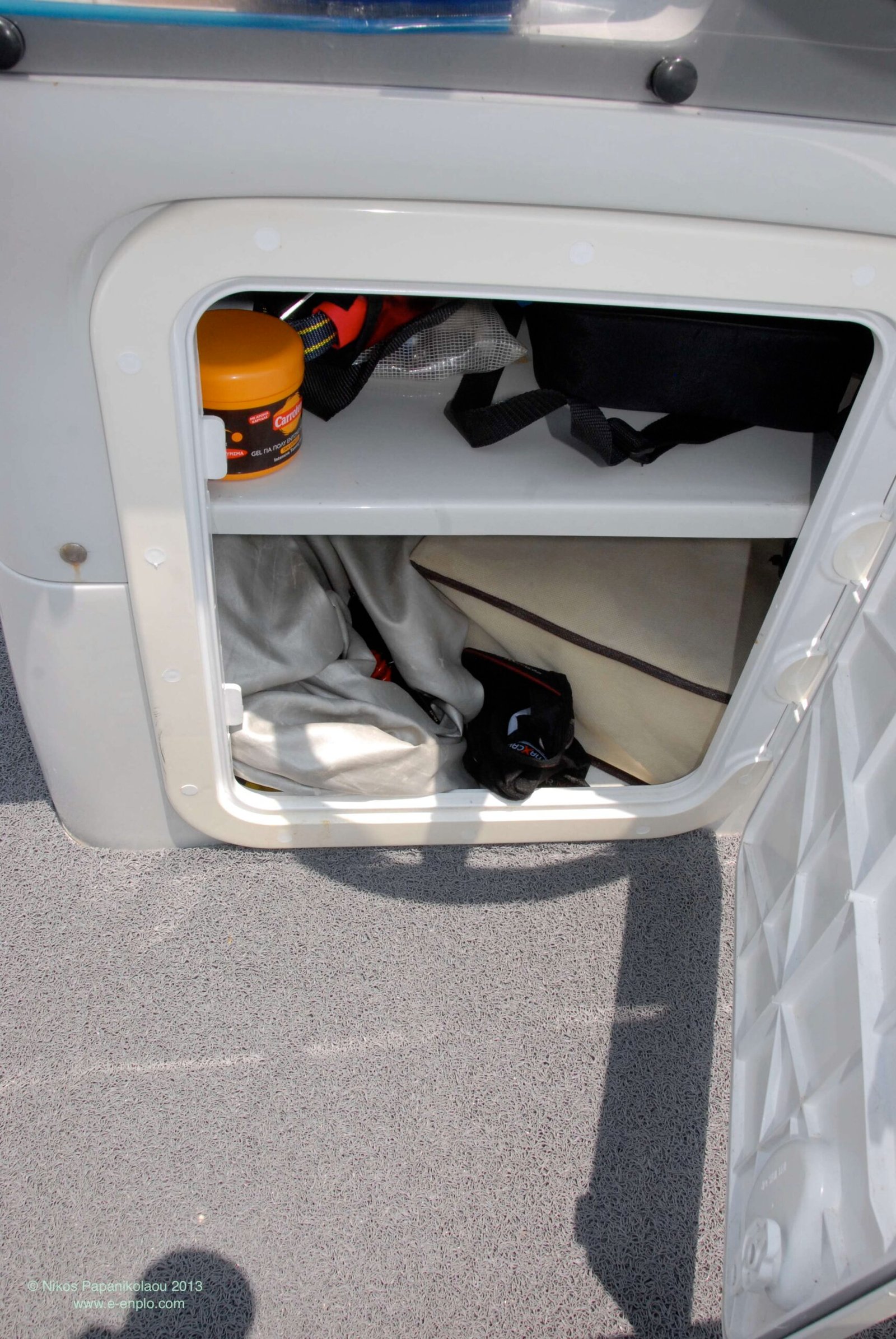
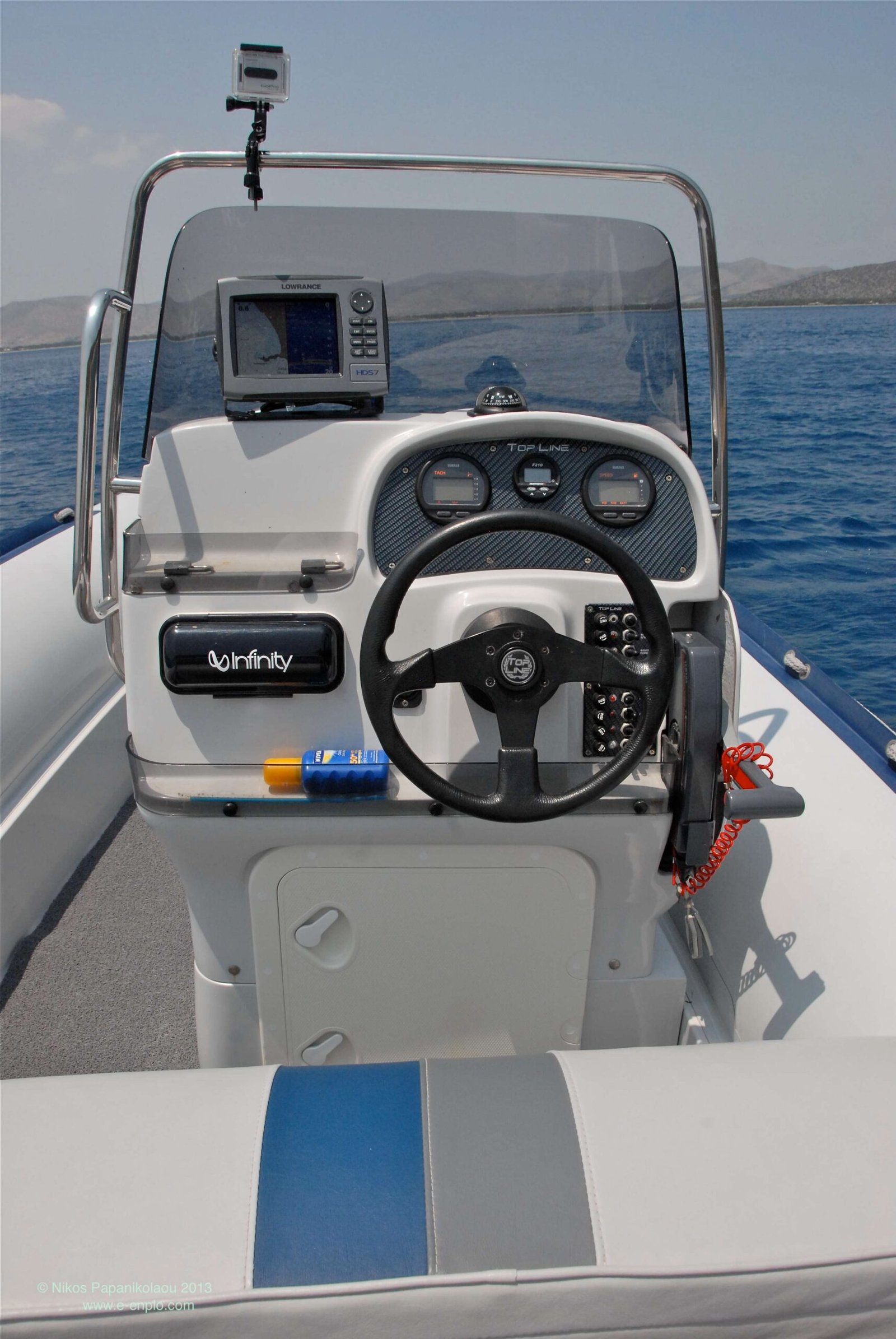
In the bow a spacious sunpad is formed for relaxation able to be extended and converted to a double berth for the overnight if needed. However, no front seating in the console exists due to the big size of the sunpad. Other boats in this category have this feature and generally offer a more spacious layout regading the touring purpose. Underneath this structure two separate storage compartments exist, the anchor locker and an other storage space deep enough to host bulky objects such as those of the rescue equipment. The biggest storage space is located underneath the aft bench where the wiring of the electrical and fuel systems can be inspected.
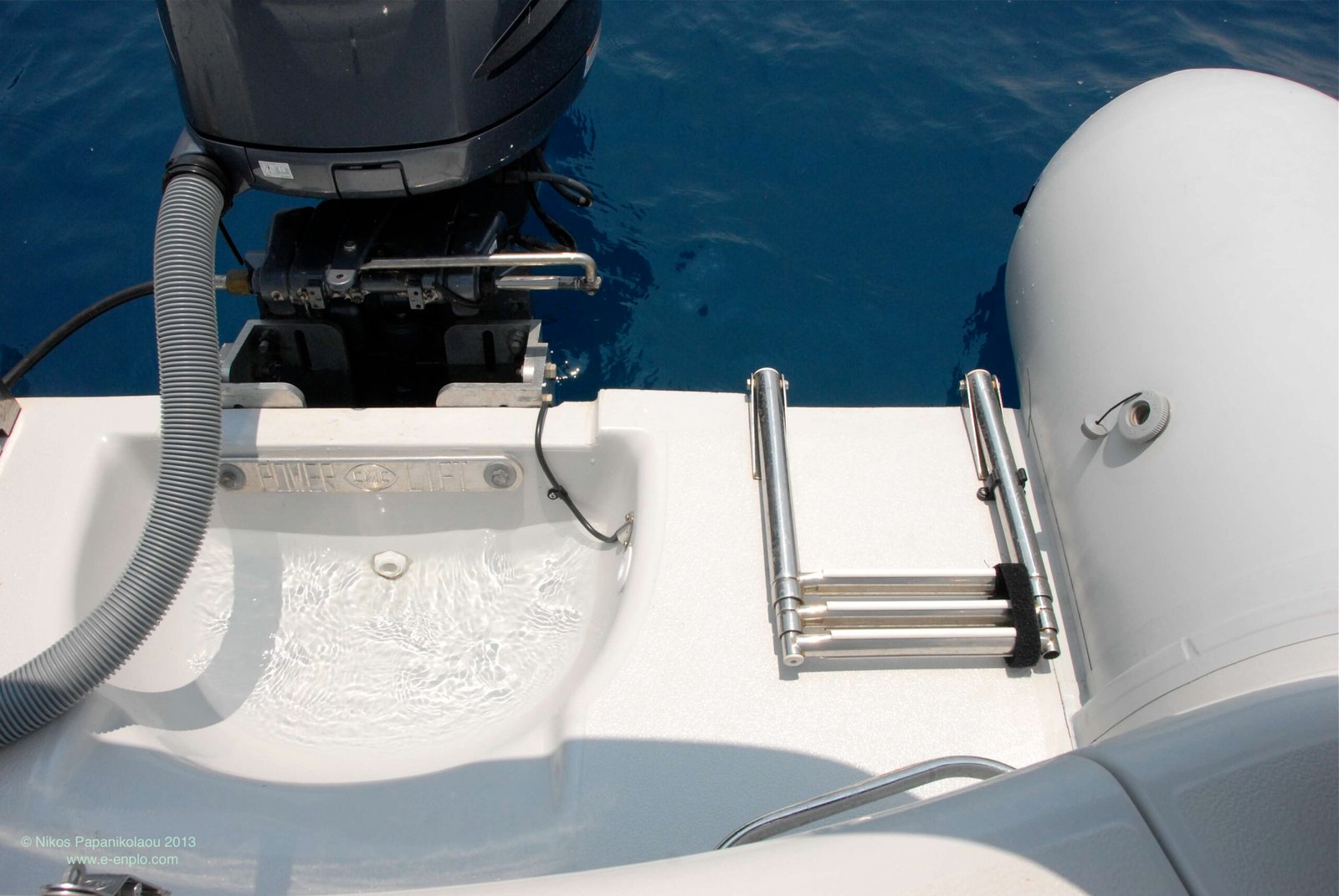
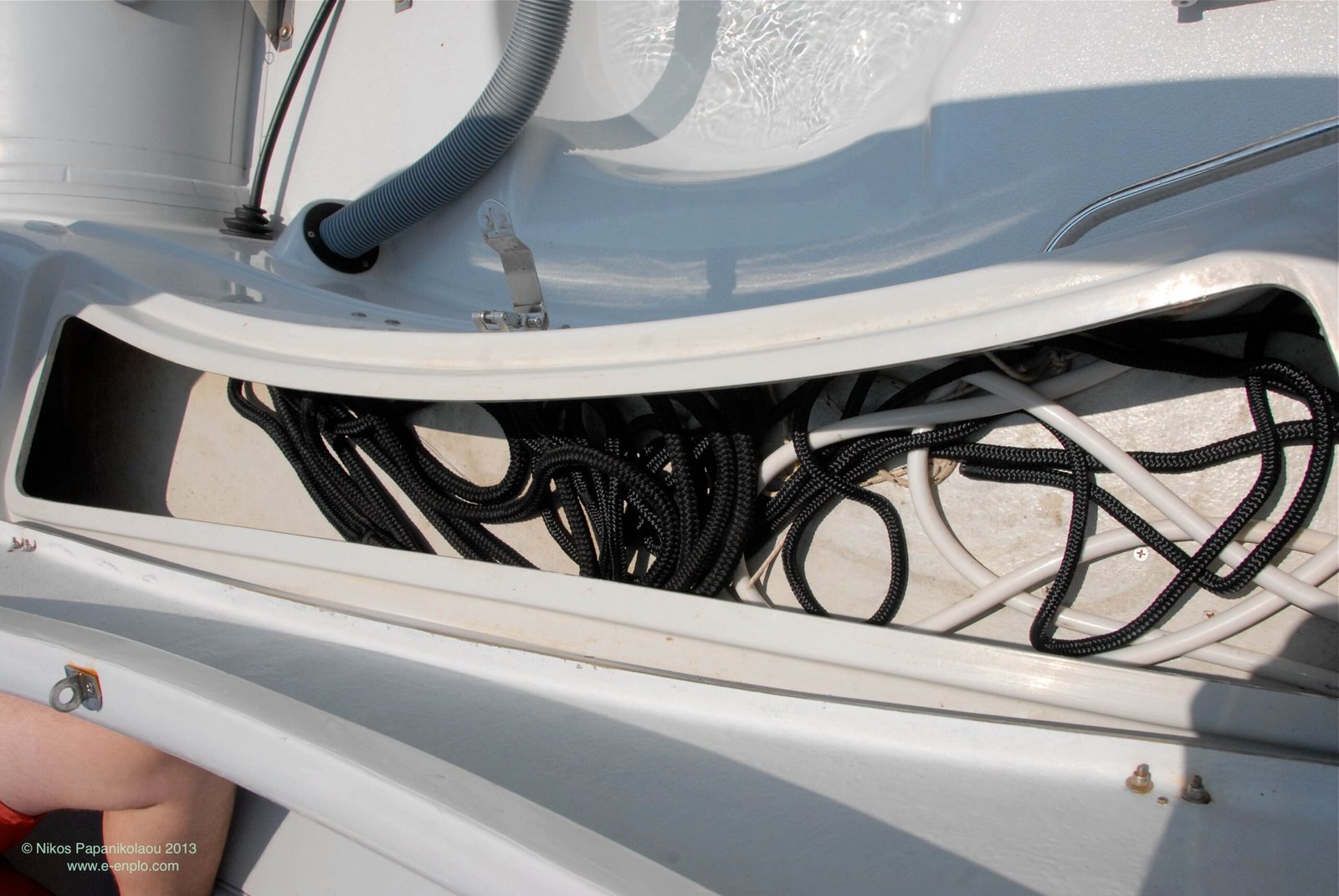
Two additional storage areas for medium and small size objects are situated in the helm post and inside the console respectively. In the stern an oblong compartment is found to enclose the lines and the second anchor, while the pathing ladder, the shower and the base for the axillary engine all are located there. In the specific boat, also, there was an optional in deck compartment in the bow area to store some of the rescue equipment taking up the space of the second fuel tank.
3. In the water
When pushing full throttle the Yamaha F150 the Pegasus 20 is able to succeed the amazing top speed of 47 knots at 5800 rpm with the consumption to still remain at very reasonable levels of 1.23 lit per n.mile. It is also very impressive that the boat can plane from the 2400 rpm having the speed of 15.5 knots while acceleration as expected is very fast reaching the speed of 25 knots from rest at 6 seconds.
What also impressed me was that the boat was able to cut the choppy waves of an almost 4 bft sea (in few instances we faced an almost 5 bft waves) and maintain her higher speeds.
This remarkable performance in both speed and fuel efficiency is attributed to the way the engine had been installed. The Yamaha F150 was mounted not straight to the transom but on a fixed metallic bracket at a very high position to reduce the foot drag and the propeller to work closer to the surface.
However, this success came to expense of her agility making the boat less responsive to corner at higher speeds since in many instances the propeller was ventilated and was losing power.
The similar effect was observed in acceleration in the low rpm levels where the propeller was losing for a very small fraction of time momentum due to ventilation before taking off to the higher speeds. However, this trade off was a very conscious choice of the owner who is a very experienced boater with rich participation records in the Hellenic Rib Race Championship and wanted to minimize the consumption during his long trips.
Personally, though I would have chosen to place the engine considerably lower, regardless in this bracket or not, around the second trim hole to favor the stability and agility at turns and to facilitate the responsiveness of the engine in rougher sea conditions. Also, I would have been willing to experiment placing a lower propeller pitch such as 19 inches on the ground that it will be more responsive to the throttle in the mid rpm range when dealing with a choppy sea.
Of course, I can take in to account that it would be some small increase in fuel consumption but the overall performance of the boat could have been more balanced.
4. Verdict
In conclusion, I can say that the Topline Pegasus 20 is an amazing Rib that is able to impress in many areas and certainly in handling. She targets the experienced and fanatic Rib fans who really know what they want and intend to enjoy it to the maximum and of course are willing to pay a premium for that. Mind though that some competitors offer more spacious deck layouts for the touring use.